


The Stella Method
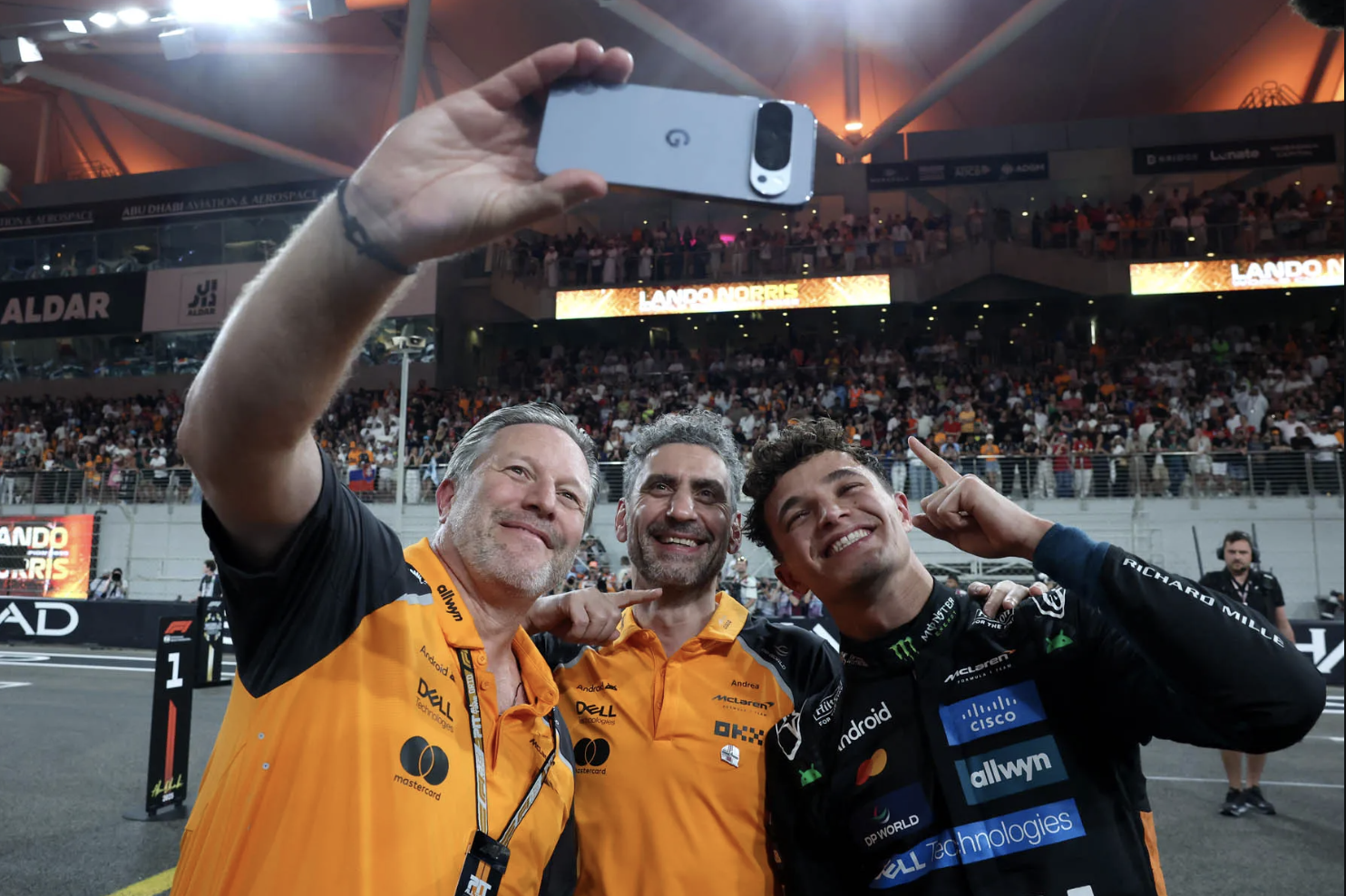
The 2025 season will go down in Formula 1 history for Max Verstappen’s remarkable comeback—and for the way McLaren returned to winning. The Constructors’ Championship was secured with six races to spare; the Drivers’ title went down to the final round of the season, decided by just two points. “Less than 0.5 percent,” Andrea Stella points out.
But McLaren didn’t just win—it won on its own terms. And that, more than anything, is what makes the team principal smile most. He is the architect of the Papaya team’s success.
How to build a winning team is something the Umbrian engineer learned in Maranello. “I arrived in Formula 1 with Ferrari in the early 2000s, during a period of great success. That’s where I quickly understood what can be achieved with the right team. That reference stayed with me, and I try to pass it on every day to everyone in my team.”
It is a working method—more than a philosophy—that Stella has carried with him throughout every stage of his career: from joining McLaren in 2015, when he chose to follow Fernando Alonso and leave the Italian team, to leading the Woking-based outfit today.
What makes Andrea Stella most proud of this extraordinary season?
“You can win and you can lose. But the way you do things is entirely under your control. That’s what makes me, as team principal, and the whole team truly proud. By giving both drivers equal opportunities, in the end we were proven right.”
What did you personally bring to Woking? The ‘Italian genius’?
“I’d say common sense instead: the importance of human relationships, a clear vision of performance, and a practical philosophy aimed at protecting the team.”
What makes McLaren so special today?
“A united group. The values, the history, and a technical department unlike anything I’ve seen in 26 years of Formula 1. Together with Zak Brown, we redistributed the existing technical resources—it was like a puzzle with pieces that didn’t quite fit. We put everything on the table, reorganized, and made the system more solid.
Then we added key people such as Rob Marshall, who brought experience, expertise, and—above all—the courage to dare.”
How rewarding is it to win the title with both drivers fighting for the championship?
“Success is the result of a very long journey. Twenty-four races turn the championship into a marathon: staying consistent, united, and true to our values was as demanding as it was essential.
We wanted to send a message. Winning 16 world titles means something, but we also wanted to show that certain values still matter—that you can build a culture based on progress, not regret.
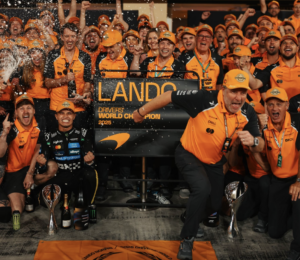
We worked as a team, and as a team we won: the drivers, the engineers, the trackside staff, and the incredible technical department in the UK.”
The value of the group
“Today, no single person can design the geometry of a car on their own—times have changed. Values are fundamental if you want to build something that lasts. There’s a song by Niccolò Fabi that says building means giving up perfection. That’s exactly what we did, putting collective interest at the center.
It’s easy to look for blame in difficult moments, to point fingers. We didn’t do that—neither did the drivers. Together with Zak, we built a team that shares the same philosophy: you can win while respecting everyone, on and off the track.”
The drivers and the McLaren philosophy
The drivers, too, embraced the McLaren philosophy. How difficult was that?
“The level in Formula 1 is incredibly high. This generation grows up with telemetry already on their karts. Lando beat a four-time world champion—he’s grown enormously, both as a person and as a driver. You only learn how to win by winning.
Constant battles with your teammate and with a bulldog like Max Verstappen either make you grow very quickly or crush you.
Lando’s real turning point came last year, with crucial duels such as the one in Austria. That’s when he truly started believing he could fight Verstappen and beat him. He also learned to isolate himself from outside noise. We made technical changes specifically to help him focus on driving.”
And Piastri?
“We know Oscar will become a world champion. He came very close already. His development has been impressive: he went through tough moments—from the Las Vegas disqualification to strategic mistakes in Qatar—without ever looking for someone to blame. He will come back even stronger.”
2026 has already begun. What should we expect?
“Today’s results are born from the work of the entire team. I’m confident in the technical quality of our racing department—the same group that built a car capable of winning the Constructors’ Championship for two consecutive years.”
Credits Photo: McLaren F1 Team

Leave A Comment